


New international report: food systems are exceeding planetary boundaries
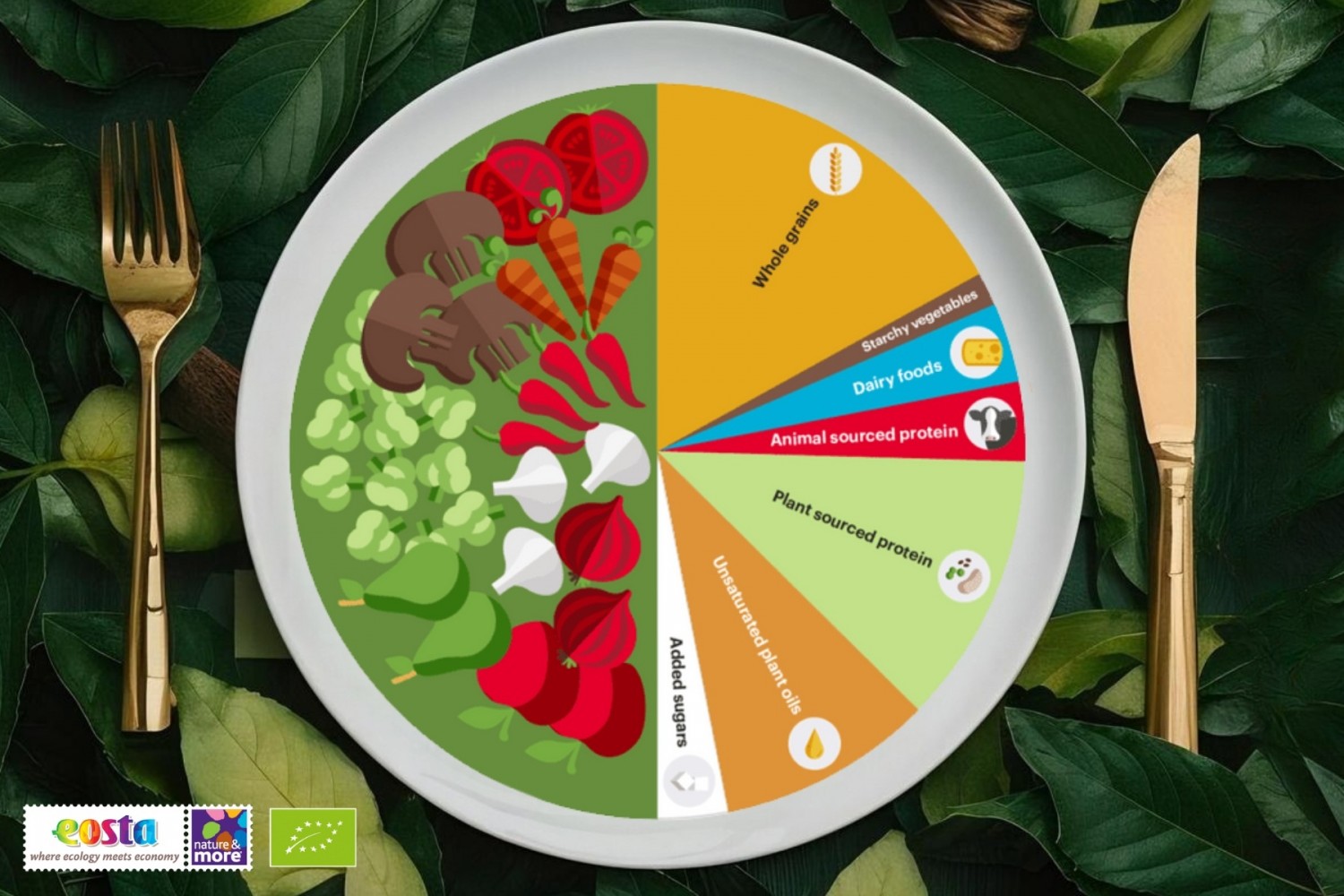
In early October, the EAT-Lancet Commission published the report Healthy, Sustainable, and Just Food Systems. The report builds on the influential 2019 EAT-Lancet report, which introduced the Planetary Health Diet, and is the most comprehensive scientific analysis of global food systems to date.
The analysis shows that food systems worldwide play a central role in both health challenges and environmental problems, but also that change is possible.
Key findings
- A shift to healthier diets could prevent up to 15 million premature deaths per year worldwide.
- Food systems are responsible for approximately 30% of global greenhouse gas emissions.
- Less than 1% of the world's population currently lives in a so-called 'safe and just space', where food security and planetary boundaries are in balance.
- The richest 30% of the world's population causes more than 70% of food-related environmental impact, while more than 1 billion people worldwide remain undernourished.

Planetary boundaries under pressure
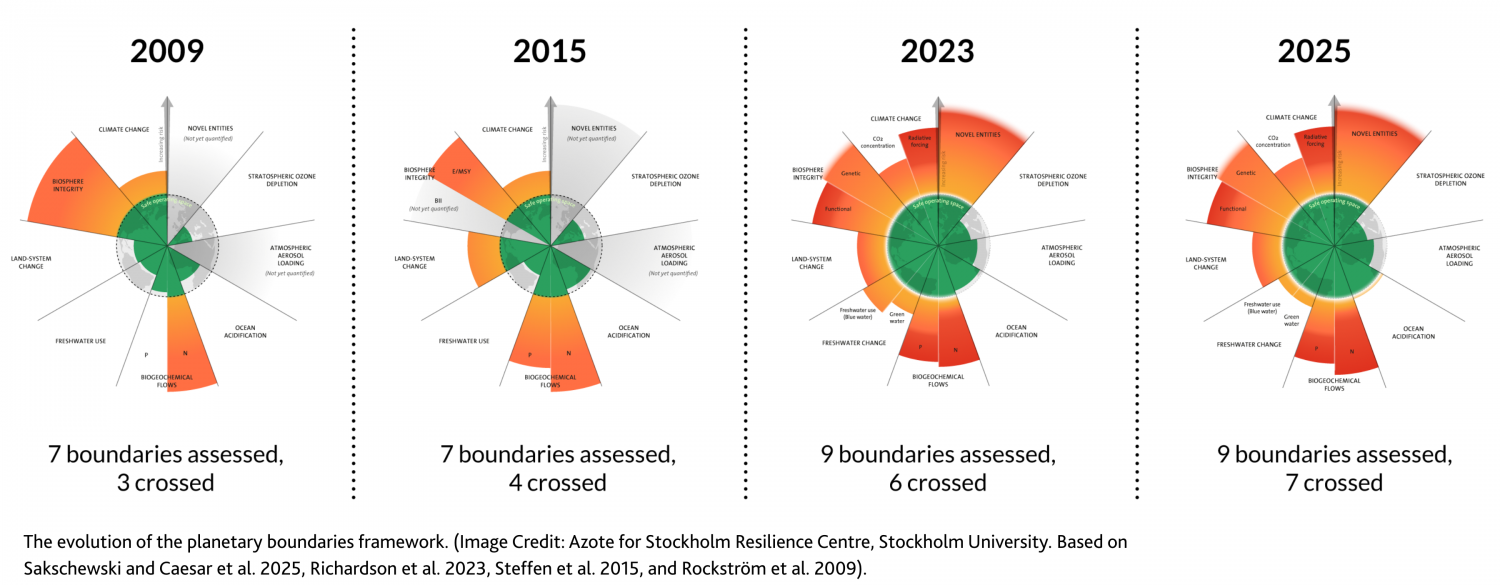
Food systems are the biggest contributor to the exceeding of five planetary boundaries — climate change, biodiversity loss, land use, freshwater use and nutrient pollution, and new substances — and are therefore an important lever for change.
Warming risk even without fossil fuels
The report warns that even with a complete global phase-out of fossil fuels, food systems could still push global warming beyond the 1.5°C limit. This underlines the need to integrate food production and consumption into climate and sustainability policies.
Johan Rockström, Co-Chair of the Commission and Director of the Potsdam Institute for Climate Impact Research, explains:
"What we put on our plates can save millions of lives, drastically reduce emissions, halt biodiversity loss and contribute to a fairer food system."
Social justice as a prerequisite
According to the Commission, sustainable food systems are inextricably linked to social justice. Globally, nearly one-third of people working in food systems earn less than a living wage.
Shakuntala Haraksingh Thilsted, Co-Chair of the Commission, emphasises:
"Transformation must go beyond producing sufficient calories. It must guarantee the right to food, fair work and a healthy living environment for all."

The role of the Planetary Health Diet
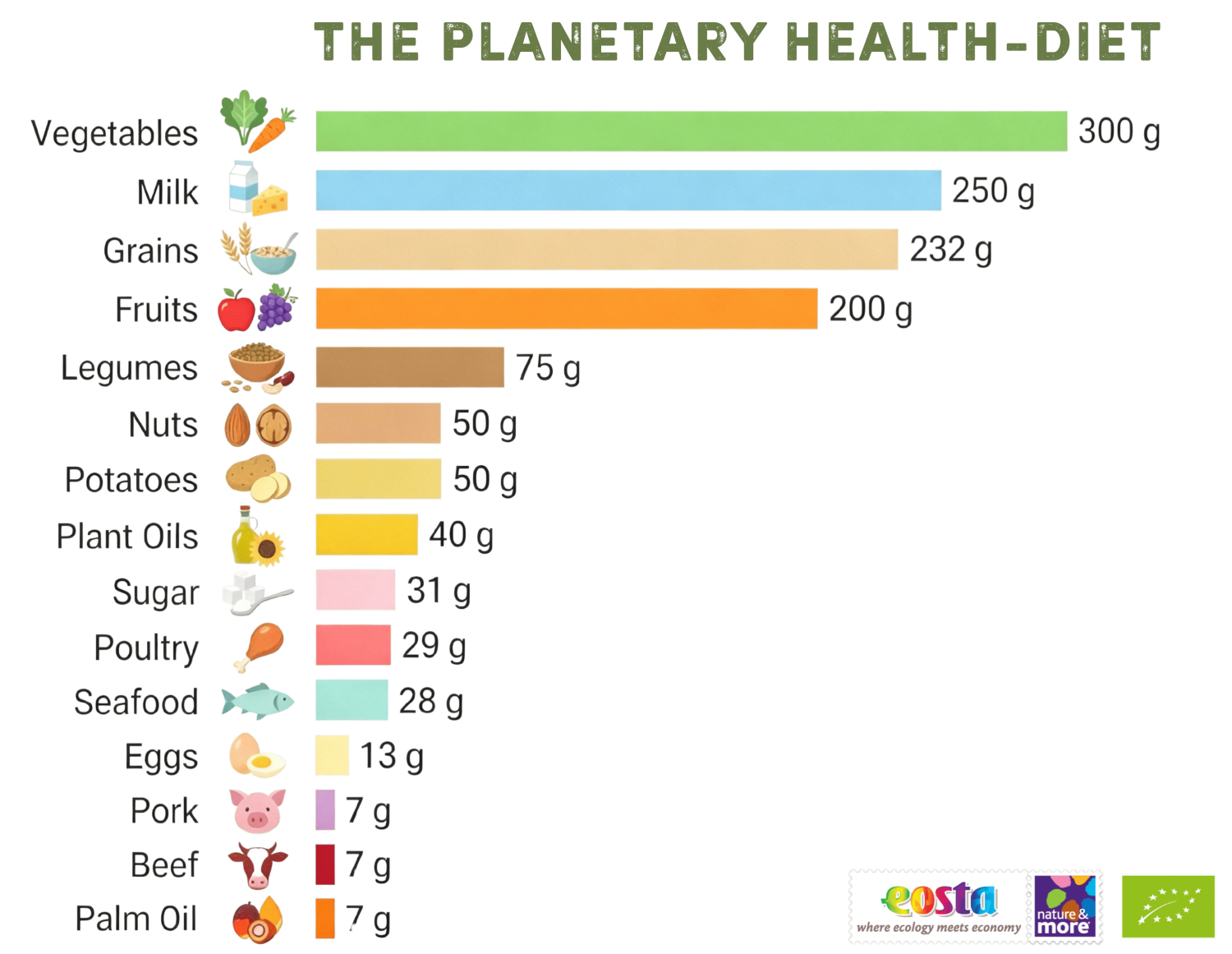
As in 2019, the Planetary Health Diet plays a central role. This diet — rich in vegetables, fruit, legumes, nuts and whole grains, with limited amounts of animal products — improves health outcomes and reduces the ecological impact of food. At the same time, the Commission argues that dietary change alone is not enough and that action is needed throughout the food chain.
Walter C. Willett, Co-Chair of the Commission, puts it this way:
“The Planetary Health Diet is good for both people and the planet, but real change requires action across the entire system.”
Significant societal benefits possible
The analysis shows that a fundamental transformation of food systems could yield up to £5 trillion in societal benefits annually, through improved health, restored ecosystems and greater climate resilience — compared to relatively limited investments of £200 to £500 billion per year.
Eight solution pathways for change
The Commission presents eight coherent solution pathways that together form a practical framework for governments, businesses and civil society organisations:
- Protecting and promoting traditional, healthy diets
- Creating accessible and affordable food environments that promote healthy choices
- Applying sustainable production methods that store carbon, enhance biodiversity and improve water quality
- Halting deforestation and conversion of intact ecosystems for agriculture
- Reducing food loss and waste throughout the chain
- Improving working conditions and ensuring a living wage in food systems
- Strengthening the participation and representation of workers in the food chain
- Protecting and recognising marginalised groups

Together, these solutions provide a basis for working towards a healthy, fair and future-proof food system.
Want to know more?
Read the full article and background information via EAT:
https://eatforum.org/update/eat-lancet-commission-warns-food-systems-bre...